


The glass pH sensor operates based on the electrochemical potential generated by a glass membrane sensitive to H⁺ ions. As H⁺ ions diffuse across the outer membrane layer, the potential difference between the measuring electrode and the reference electrode (Ag/AgCl) is calculated according to the Nernst equation, thereby determining the pH value.
pH Sensors
Endress+Hauser offers a comprehensive range of pH measurement solutions designed to meet every operating condition — from stable processes and rapidly changing media compositions to sticky environments, hazardous areas, and highly hygienic applications.
The product portfolio includes glass pH sensors, ISFET pH sensors, enamel pH sensors, as well as transmitters, installation accessories, and comprehensive calibration solutions.
Measuring principle of pH sensors
1. Glass and enamel pH sensors
The pH value indicates the acidity or alkalinity of a solution.
The enamel pH sensor operates on a principle similar to that of the glass sensor but uses a special enamel layer instead of the glass membrane sensitive to H⁺ ions, providing enhanced durability and long-term stability.
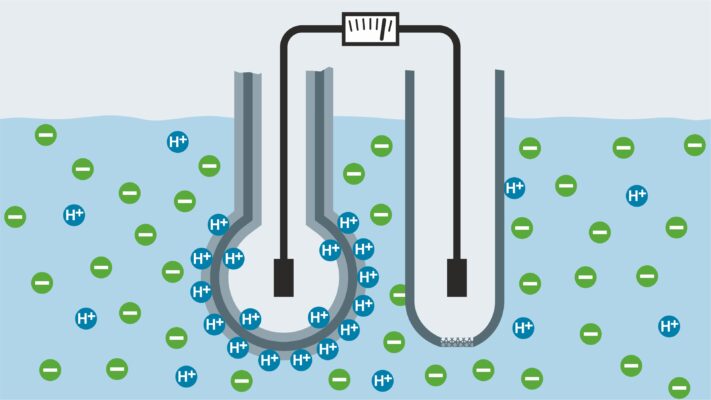
Measuring principle of the glass pH sensor
2. ISFET pH sensors
The ISFET (Ion-Selective Field Effect Transistor) pH sensor measures pH by using a semiconductor material sensitive to H⁺ ions. When H⁺ ions accumulate on the surface, they generate a positive charge that alters the conductivity of the semiconductor channel between the source and drain electrodes.
This method does not use glass, making it suitable for fragile environments, organic solvent-containing media, or applications with high safety requirements.
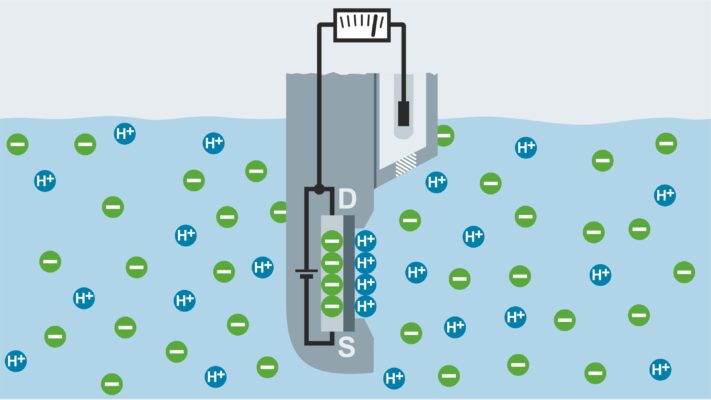
Measuring principle of the ISFET pH sensor
Advantages of Endress+Hauser pH sensors
✅ Superior measurement performance: Linear and accurate across a wide pH range.
✅ Wide selection: Suitable for all applications — from basic to multi-channel, multi-parameter setups.
✅ Precise calibration: pH buffer solutions and standards are produced in DAkkS-certified laboratories (Germany).
✅ Variety of electrodes with different diaphragm types: Including anti-fouling PTFE membranes, highly sensitive ceramic membranes, and open structures to prevent clogging.
✅ Flexible installation solutions: Including fixed assembly, immersion assembly, flow assembly, and retractable assembly.
✅ Automated calibration and cleaning systems: Ensuring optimal performance in chemical, pharmaceutical, and hygienic applications.
Applications of Endress+Hauser pH sensors
pH measurement devices are widely used across various industries:
-
- Food & Beverage: Controlling pH during fermentation and ensuring product quality in the production of beverages, dairy, beer, CIP chemicals, and more.
- Chemical and Oil & Gas: Monitoring reactions and controlling neutralization processes.
- Water & Wastewater: Ensuring effluent quality meets environmental standards.
- Pharmaceuticals: Maintaining stable conditions during production and formulation.
- Power Plants and Metallurgy: Monitoring pH in boiler feed water and cooling systems.
With decades of experience in analytical measurement, Endress+Hauser delivers comprehensive pH measurement solutions that help customers maximize performance, reduce maintenance, and comply with international quality standards.
Portfolio of Endress+Hauser pH sensors:
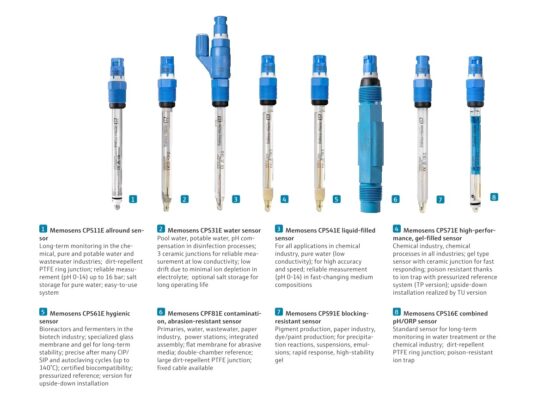
Endress+Hauser glass pH sensors
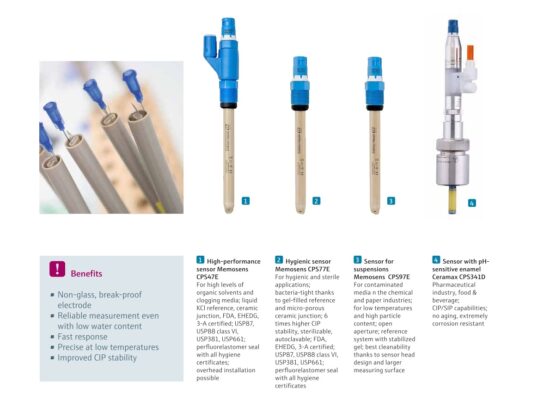
Endress+Hauser ISFET pH sensors
Installation of pH sensors
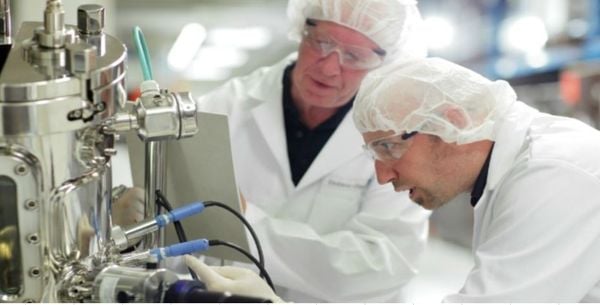
pH sensors in pharmaceutical plants
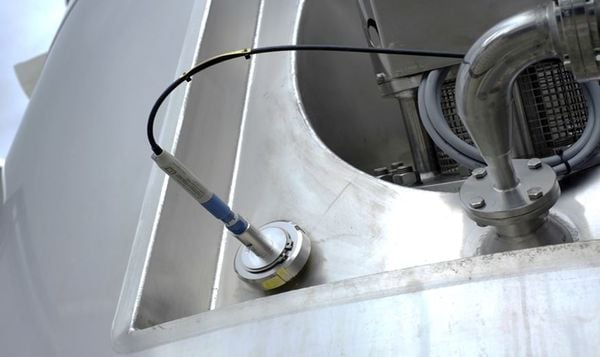
pH sensors in food processing plants
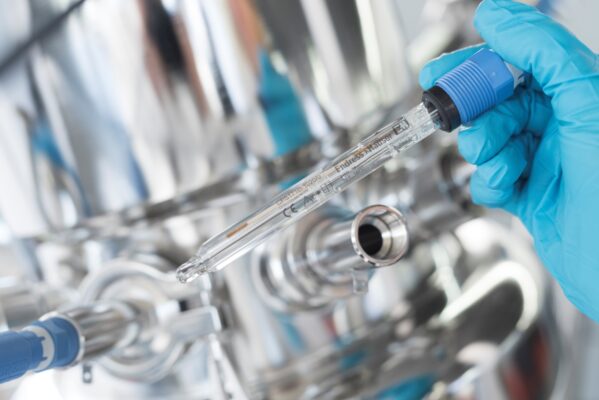
pH sensors in fermentation tanks
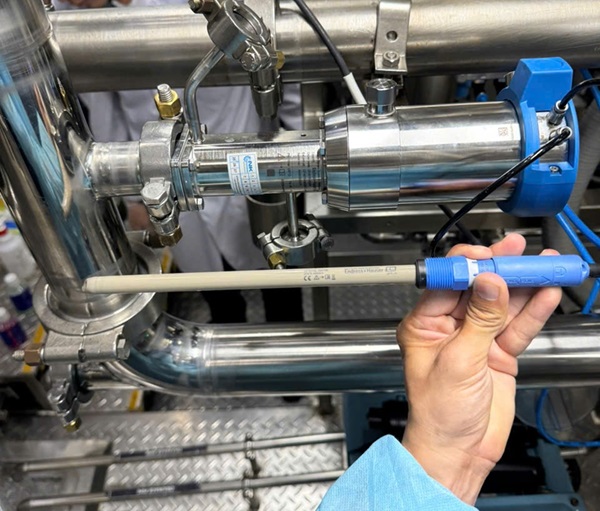
pH sensors for monitoring wastewater quality after fabric bleaching and mixing
References: Endress+Hauser – pH sensors
Related News

28/07/2026
Multiparameter Handheld – Liquiline Mobile CML18
Liquiline Mobile CML18 is a mobile device for pH/ORP, conductivity, oxygen and temperature measurement in all industries.
View more


Sign up for information
Đăng ký để nhận bản tin mới nhất từ NK Engineering