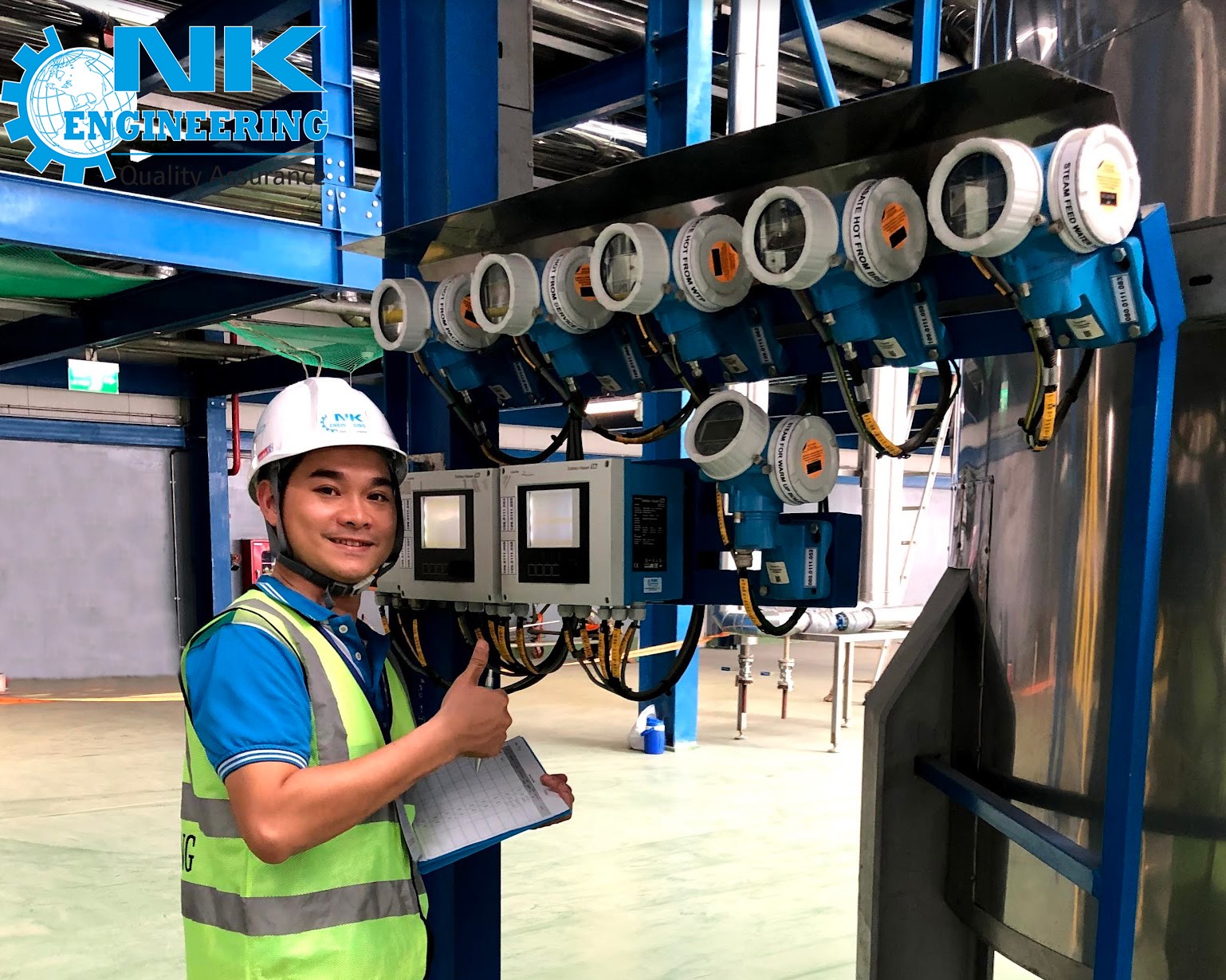
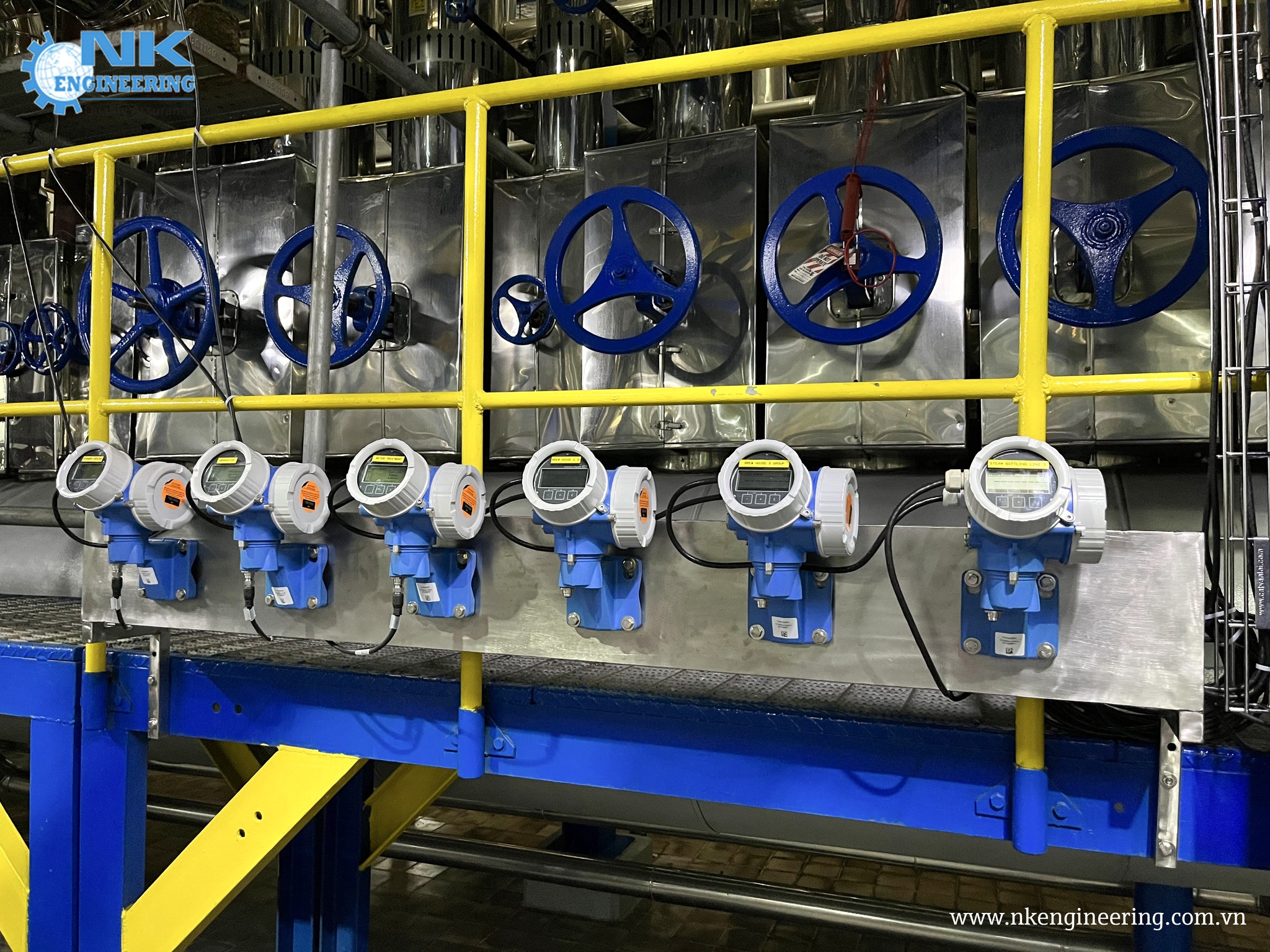
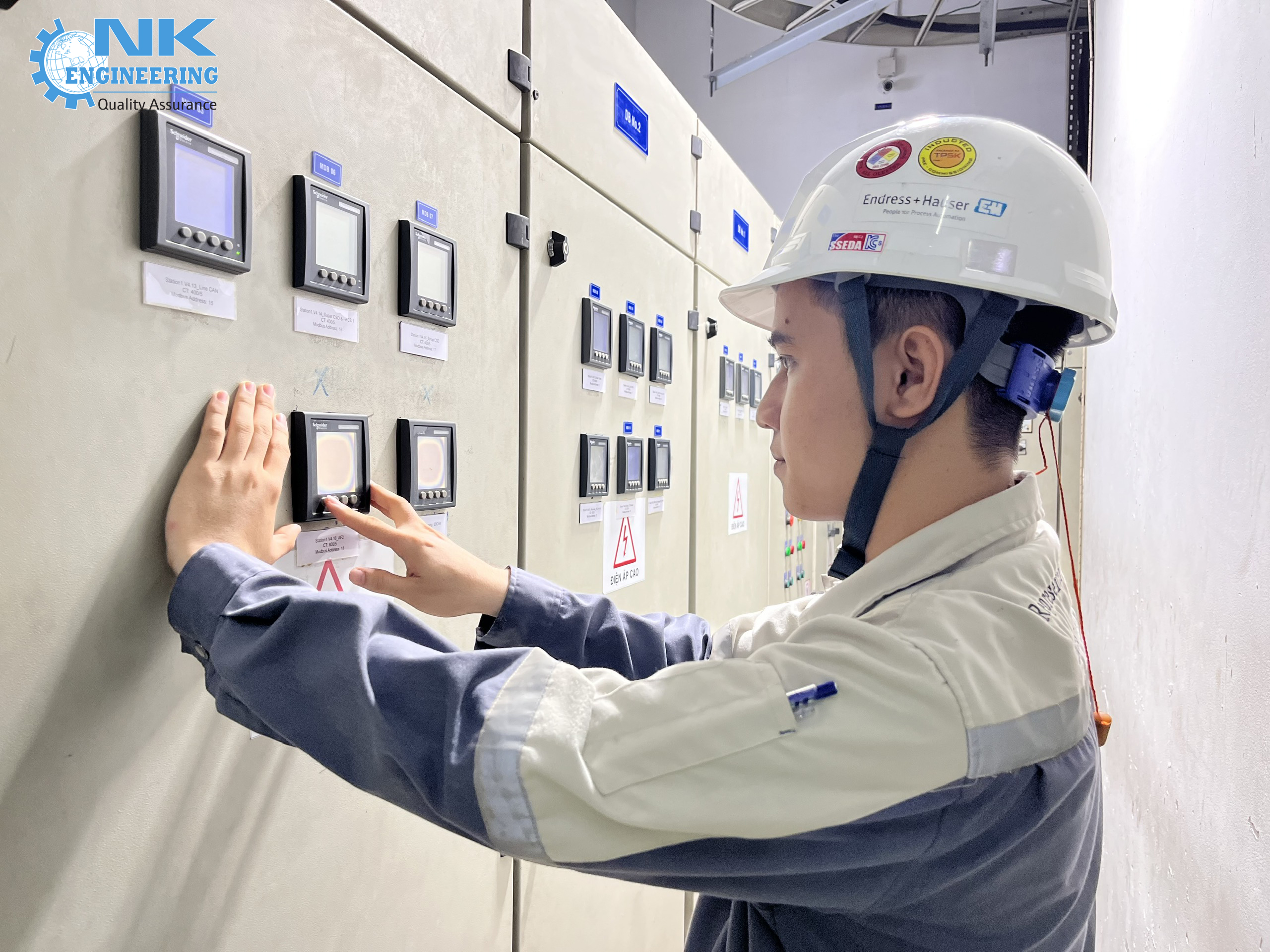
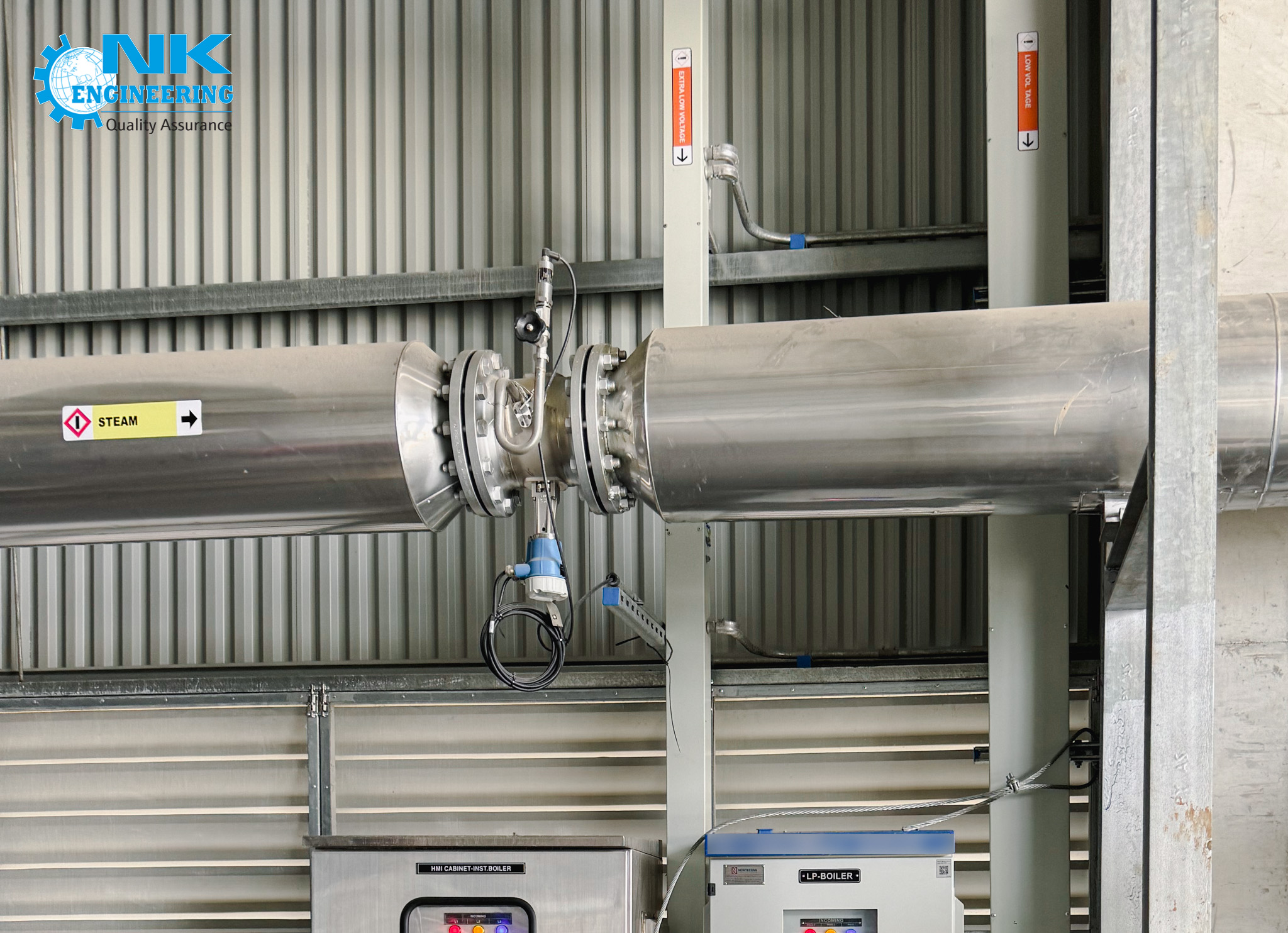
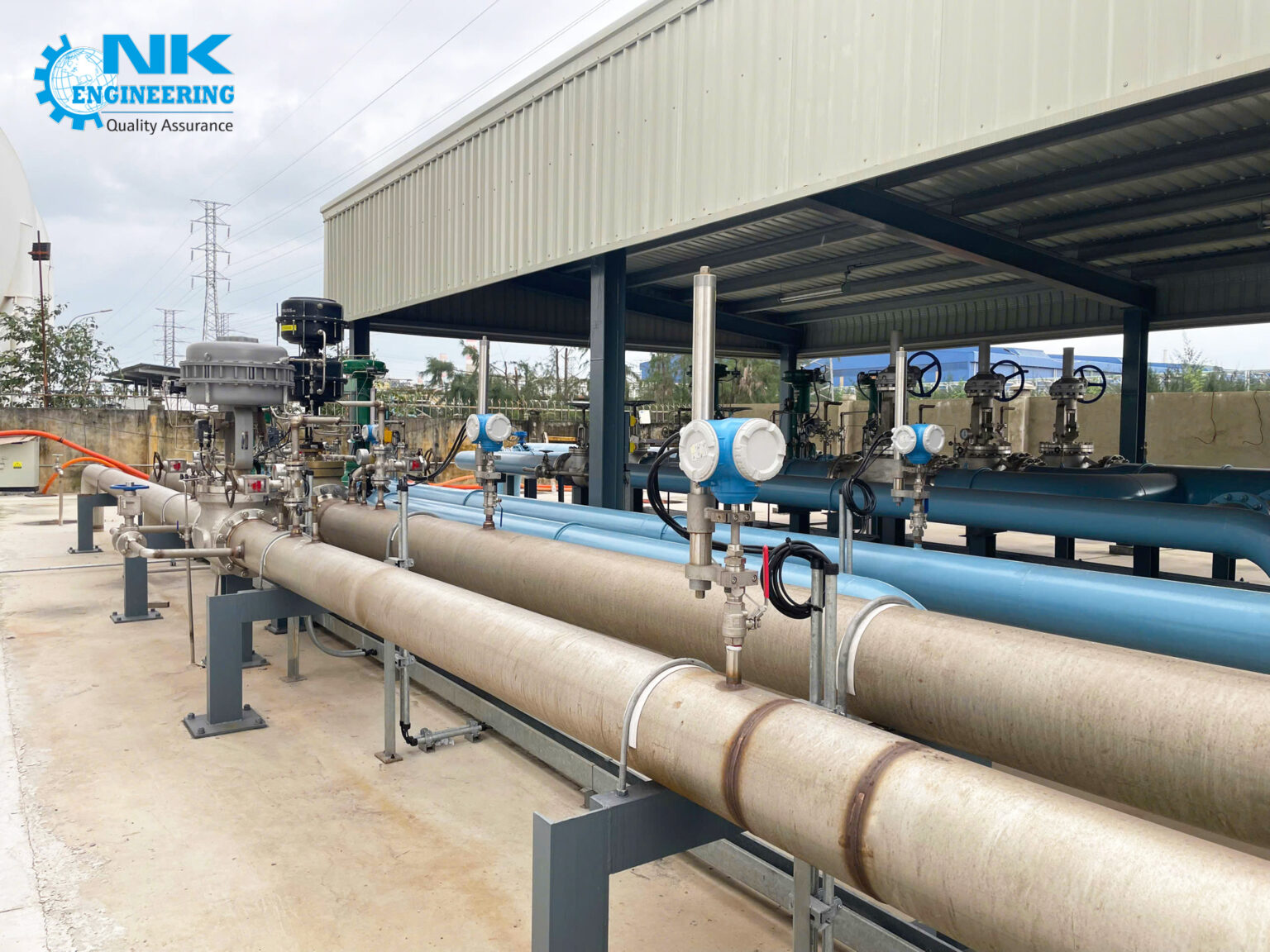
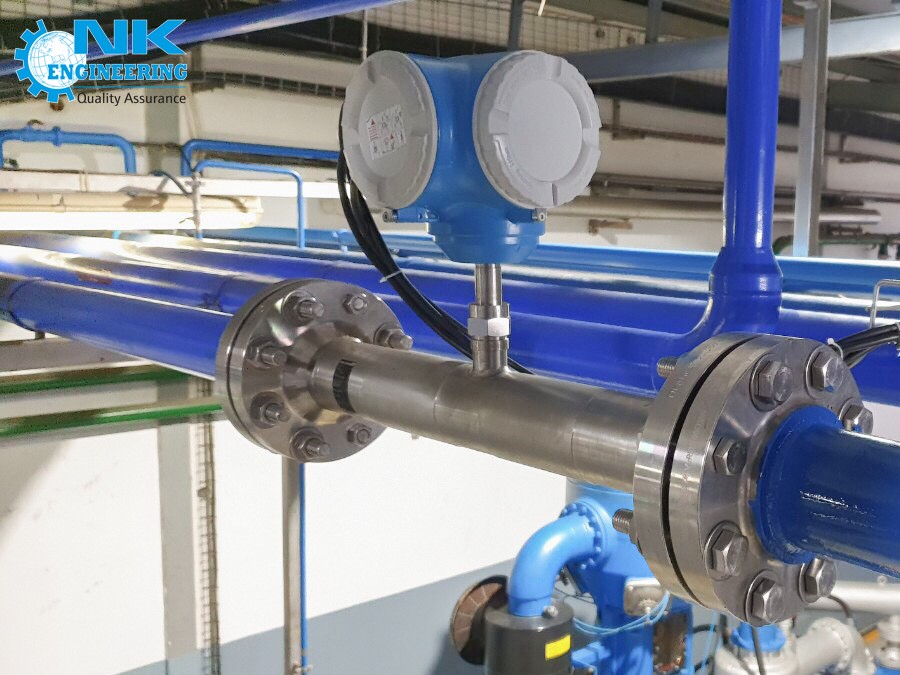
Energy (steam, compressed air, electricity, heat) is a core factor sustaining the operation of every plant and accounts for a significant portion of total operating costs. Optimizing and conserving energy not only reduces expenses but also enhances sustainability, meets ESG requirements, and maintains stable production efficiency.
Managers are currently facing challenges such as:
-
-
Operating utility systems (boilers, air compressors, etc.) at peak efficiency.
-
Difficulty identifying energy loss areas within complex steam and compressed air systems.
-
Pressure to meet KPIs on energy efficiency and energy costs per unit of product or production area.
-
Understanding these needs, NK Engineering offers a standardized comprehensive Energy Management Solution for plant utilities. The solution focuses on three key systems: Steam, Compressed Air, and Heat Exchange (Heating/Cooling) systems.
This serves as a foundation for businesses to plan, monitor, and improve energy performance against KPIs, optimize operating costs, and enhance competitive advantage.
Outstanding Values and Benefits:
-
-
Energy Cost Control: Early detection of loss points or abnormal consumption reduces operating costs and enhances competitiveness.
-
Improved Operational Efficiency: Continuous monitoring of steam, compressed air, and heat exchange systems helps minimize downtime and ensures stable operations.
-
Energy Data Transparency: Accurate allocation of energy costs by department or area enables clear KPI tracking for managers.
-
Support for Sustainability & ESG Goals: Energy savings translate to reduced emissions and environmental costs, helping businesses achieve greener objectives.
-
Seamless Data & Strong Integration: Endress+Hauser measurement devices easily integrate with SCADA and energy management software, supporting real-time reporting and analysis.
-
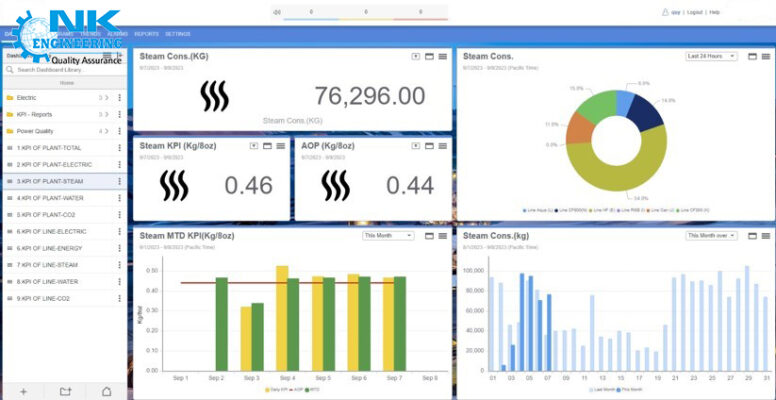
Energy Management Software Interface Designed by NK Engineering
1. Steam Energy Management Solution
Role of the Steam System:
Steam is the primary heat transfer medium in many industrial processes such as heating, sterilization, steaming, and drying. It is a high-value energy source but prone to losses if the system is not optimally operated. Therefore, monitoring and controlling steam system efficiency is a critical element in a plant’s energy-saving strategy.
Steam Energy Management Solution:
-
-
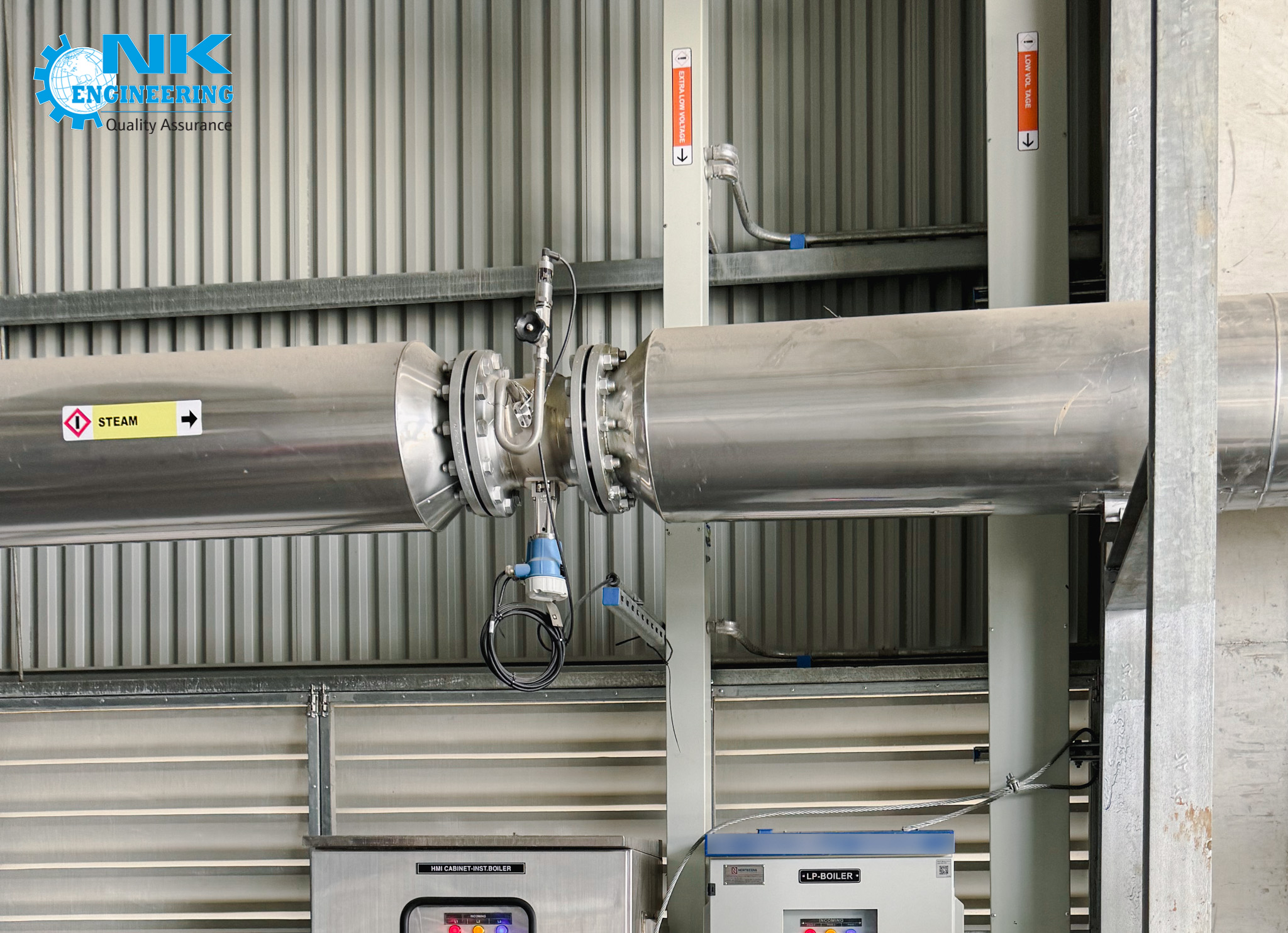
Boiler Performance Monitoring: Utilizes the Vortex flow meter Prowirl F 200, integrated with temperature and pressure sensors in a single device to accurately calculate steam mass generation. Combines steam data with feedwater and fuel (DO/FO) flow rates to calculate boiler efficiency in real time.
-
Steam Quality Control (Saturated Dry Steam): The Prowirl F 200 features Wet Steam Measurement capability to detect and quantify moisture content, ensuring stable steam quality, enhancing heat transfer efficiency, preventing water hammer caused by condensate, and protecting equipment and piping.
-
Steam Consumption Monitoring & Allocation: Installing steam flow meters at main usage points allows tracking consumption against KPIs by area, detecting steam leaks or improper loading, facilitating maintenance planning and optimizing steam distribution.
-
Condensate System Optimization: Monitors recovered condensate volume to assess loss levels and reuse rates, thereby reducing energy needed to heat fresh water and lowering chemical treatment costs for feedwater.
-
Core Components of the System:
-
-
Prowirl F 200 Flow Meter: Accurately measures steam mass with Wet Steam Detection capability, resistant to vibration, high temperature, and pressure, ensuring stable operation in harsh environments.
-
Feedwater and Boiler Fuel Flow Meters (DO/FO): Provide input data for boiler efficiency calculation and control.
-
Temperature and Pressure Sensors: Monitor boiler operating conditions to ensure safety and prevent overheating or overpressure incidents.
-
Data Recorder: Collects and processes data from measurement devices, calculates energy efficiency, and continuously transmits information to the central management system.
-
SCADA System and Monitoring Interface: Visually displays real-time energy consumption indicators by area, analyzes data, forecasts trends, and issues timely alerts to maximize support for management and operation.
-
Energy Management for Steam Systems
2. Compressed Air Energy Management Solution
Role of the Compressed Air System:
Compressed air is one of the most energy-intensive utility systems, accounting for a significant portion of a plant’s total operating costs. Studies show that up to 30% of compressed air production is lost due to leaks, inefficient compressor operation, or improper usage.
Without strict monitoring and control, the compressed air system can become a major source of energy waste and increase production costs.
Compressed Air System Management Solution:
-
-
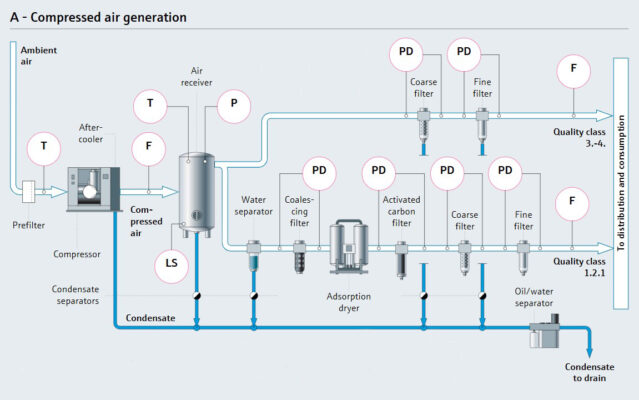
Leak Detection & Consumption Management: Utilizes Endress+Hauser’s T-mass 300/500 flow meters to monitor total compressed air usage and key branch points. This facilitates easy identification of leaks, abnormal consumption periods, and assessment of compressed air losses.
-
Compressed Air Quality Monitoring: Strictly controls moisture and dew point temperature to protect piping, pneumatic equipment, and ensure final product quality. This minimizes condensate-related corrosion, extends equipment lifespan, and reduces maintenance costs.
-
Filter Monitoring & Operating Pressure Control: Measures differential pressure before and after filters to determine cleaning or replacement timing. Ensures the system does not experience excessive pressure loads, thereby reducing compressor energy consumption.
-
Energy KPI Establishment: Quantifies compressed air usage efficiency through KPIs such as kWh/m³ of compressed air, percentage of air loss, and compressed air costs by area or product. This enables precise cost control and optimized operational planning by management.
-
Data Integration with Energy Management Software: Integrates measurement device data into the Energy Management System, automating compressed air consumption reporting and allocating costs by production area.
-
Core Components of the System:
-
-
T-mass 300/500 Flow Meters: Utilize thermal mass technology to measure compressed air flow by mass with high accuracy, unaffected by pressure and temperature fluctuations, providing reliable data for cost calculation.
-
Temperature Sensors: Monitor air temperature before and after compressors to assess operating conditions.
-
Pressure Sensors: Track pressure before and after air filters to determine optimal cleaning or replacement timing, minimizing unnecessary pressure losses.
-
SCADA System and Monitoring Interface: Display real-time compressed air data, analyze consumption trends, detect leaks, and support operational optimization.
-
Energy Management for Compressed Air Systems
3. Cooling / Heat Exchange Energy Management Solution
Role of the Cooling / Heat Exchange System:
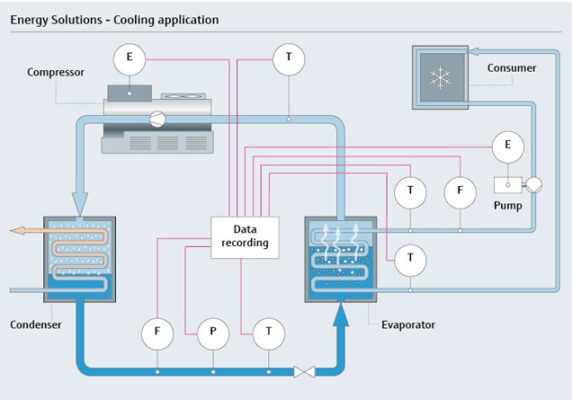
In manufacturing plants, processes such as raw material heating, product cooling, and industrial air conditioning consume significant amounts of energy. Inefficient heat exchange systems can lead to energy losses, increased operating costs, and directly impact product quality.
Therefore, optimizing cooling and heating systems is a core solution that helps businesses achieve energy savings and improve productivity.
Cooling / Heat Exchange Energy Management Solution:
NK Engineering implements measurement and monitoring solutions based on Endress+Hauser technology, enabling businesses to control heat exchange performance in real time:
-
-
Optimize Heat Transfer Efficiency: Measure and monitor the flow of hot water, chilled water, glycol, or other heat transfer fluids using electromagnetic flow meters Promag P 10 or ultrasonic flow meters Prosonic Flow E 100 (for hot water). Ensure stable flow rates to achieve maximum heat transfer efficiency.
-
Accurate Temperature Control: Track temperature differentials on supply and return lines to minimize heat loss and reduce unnecessary energy consumption.
-
System Performance Analysis: Evaluate cooling/heating efficiency through key indicators such as COP, heat recovery rate, and waste heat reuse ratio. Early detection of blockages or performance degradation in heat exchangers.
-
Energy KPI Establishment: Utilize critical metrics to support management, including kWh per ton of cooling, kWh per cubic meter of hot water, heat recovery percentage, and operating costs of heating/cooling systems to manage and optimize thermal energy.
-
Energy Data Synchronization: Employ highly reliable Endress+Hauser measurement devices integrated with energy management software for real-time monitoring, reporting, and automatic alerts.
-
NK Engineering provides customized solutions tailored to the specific heat exchange system configuration of each plant.
Energy Management for Cooling Systems